
Practical AI Readiness
AI Governance for Nonprofits: Why Your AI Approval Is Already Out of Date
You reviewed the tool. You set some rules. You moved on. Here is what happened while you were not looking.
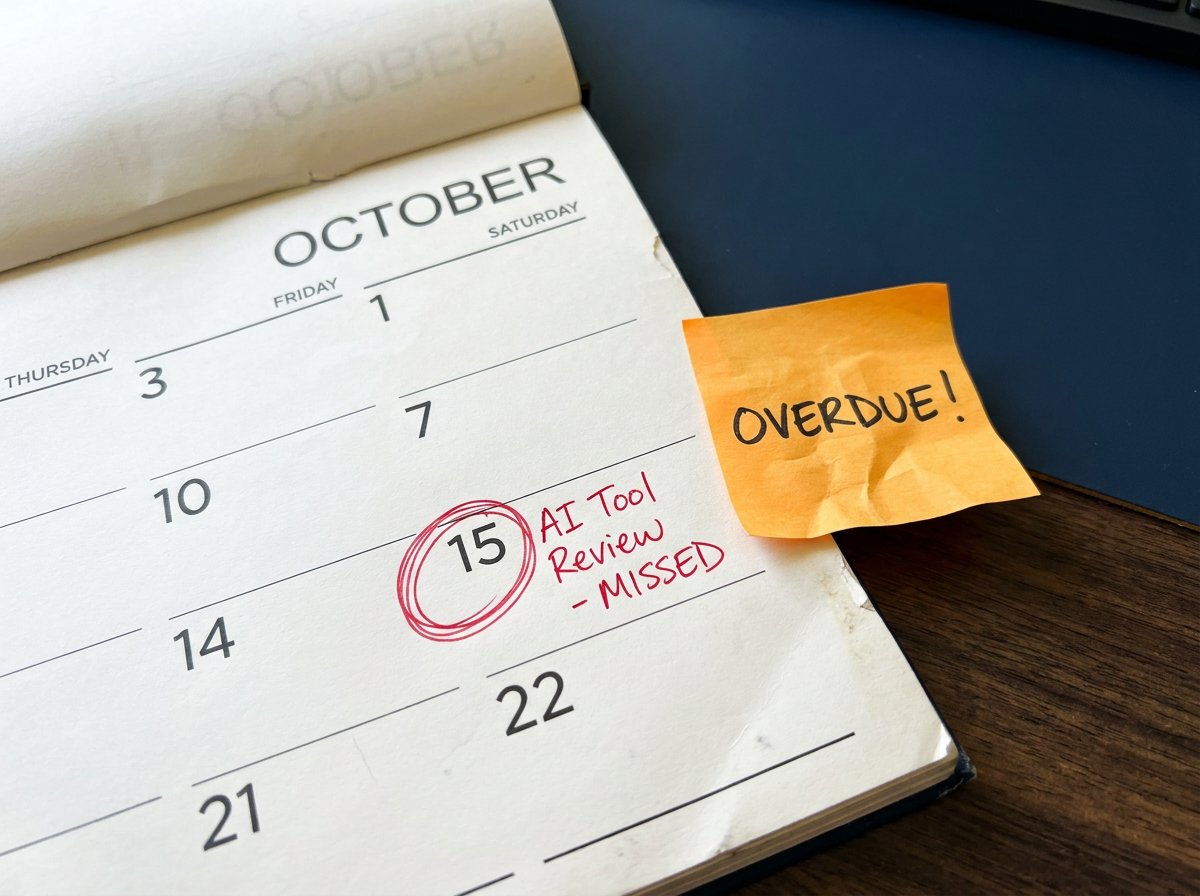
Most nonprofits treat AI adoption as a moment. You evaluate a tool, decide it is acceptable, maybe set a few guidelines, and move on to the next thing.
That moment is not wrong. It is just not enough.
AI does not stay the same between decisions. Vendors push feature updates without announcements. Data practices that seemed acceptable at adoption look different after a terms of service update nobody read. The staff member who understood what the tool could and could not access has left. The feature that was optional when you approved it is now on by default. The platform you reviewed last spring has added an AI assistant that can read everything stored inside it.
The nonprofit AI approval you gave is already drifting. And in most organizations, nobody is watching.
Why AI Governance Is Different From Other Technology Decisions
Your organization probably has some version of a technology governance rhythm already, or at least the intention of one: renewal reviews, decision checkpoints, someone who is supposed to flag when something changes.
That rhythm was built for software that changes slowly. A CRM is largely the same product it was eighteen months ago. A project management tool does not quietly add new data practices between your annual reviews.
AI tools do.
The pace of change in nonprofit AI tools is faster than almost any other category of software your organization uses, and the stakes around what changes are higher. When a vendor updates its AI data practices, it affects what happens to your client information, your donor records, your internal communications. When a new AI feature goes live inside a platform you already trusted, it may be accessing things your original nonprofit AI approval never considered.
A governance rhythm that does not explicitly include AI will miss these changes. Not because the rhythm is broken. Because it was not built for something that moves this fast.
What Nonprofit AI Governance Specifically Adds to Your Review Rhythm
You do not need a separate AI governance process. You need to add some specific questions to the rhythm you already have.
At every regular technology review, add these nonprofit AI governance questions:
Set a calendar reminder tied to each approved tool. When terms change, the nonprofit AI governance review clock resets. This is not optional follow-up. This is the core of keeping approval current.
Built-in AI features update more often than standalone tools. Check what is active now in your nonprofit, not just what was active when you first signed on. An AI assistant added after your initial approval is a new decision, not a legacy feature.
Staff turnover is one of the most common reasons nonprofit AI governance quietly falls apart. When the person who understood the tool leaves, the institutional knowledge about what was approved and why leaves with them. Ownership needs to be documented, not just assumed. When someone new takes the role, bring them up to speed on what was decided and why.
This is the question most nonprofit organizations miss entirely. The AI governance review you did on your CRM does not cover the AI assistant your CRM vendor added six months later. New features need new reviews, even inside familiar platforms.
Ask this directly. Not as an accusation. As a standing question that keeps the picture honest. Sometimes tools get adopted informally. Sometimes a team member finds a workaround. Sometimes a vendor pushes a feature live without clear communication. The question itself surfaces what is actually happening versus what you think is happening.
If You Already Have a Governance Rhythm: Add AI Explicitly
You do not need a new process. You need nonprofit AI governance to be explicitly named inside the one you have. Put it on the agenda. Assign the owner. Set the cadence. Treat AI tool reviews the same way you treat renewal reviews: on a schedule, with a record, and with someone accountable for the outcome.
The Nonprofit Practical AI Readiness program gives you the structure to make that practical. The vendor and platform risk component is designed to be a living document, not a one-time exercise. It is meant to be revisited, updated, and used as the record of what was reviewed, what was approved, and what is still open.
This is where nonprofit AI governance actually lives: in the rhythm you keep, the questions you ask, and the person you hold accountable for keeping the picture current.
If You Do Not Have a Governance Rhythm Yet: Start There First
Nonprofit AI governance does not work in isolation. If your organization is making technology decisions without a consistent review rhythm, renewal process, or clear decision ownership, adding AI to the mix will not fix that. It will expose it.
The governance pillar of the Nonprofit AI Readiness program covers how to build a practical technology governance rhythm your nonprofit can actually keep, including how to structure reviews, assign ownership, and keep the roadmap aligned as conditions change.
Nonprofit AI governance belongs inside that rhythm. Not beside it.
A Practical Framework for Building AI Governance That Stays Current
If this post raised questions about what your nonprofit is currently using, what AI approvals may have drifted since they were made, or whether you have a governance rhythm in place to catch changes, the Nonprofit Practical AI Readiness program is where to start.
It walks you through building a governance rhythm that explicitly includes AI, documenting current AI use, evaluating vendor risk, and creating a living process that stays current as tools and practices change.
The toolkit includes the vendor and platform risk tab designed to be revisited and updated on a schedule, so your nonprofit AI governance does not rely on institutional memory or individual heroics.
Build Your AI Governance Rhythm
Start with the free toolkit to map your current nonprofit AI landscape and identify governance gaps, or book a call to discuss how to build a governance rhythm that actually works for your organization.